

Wool
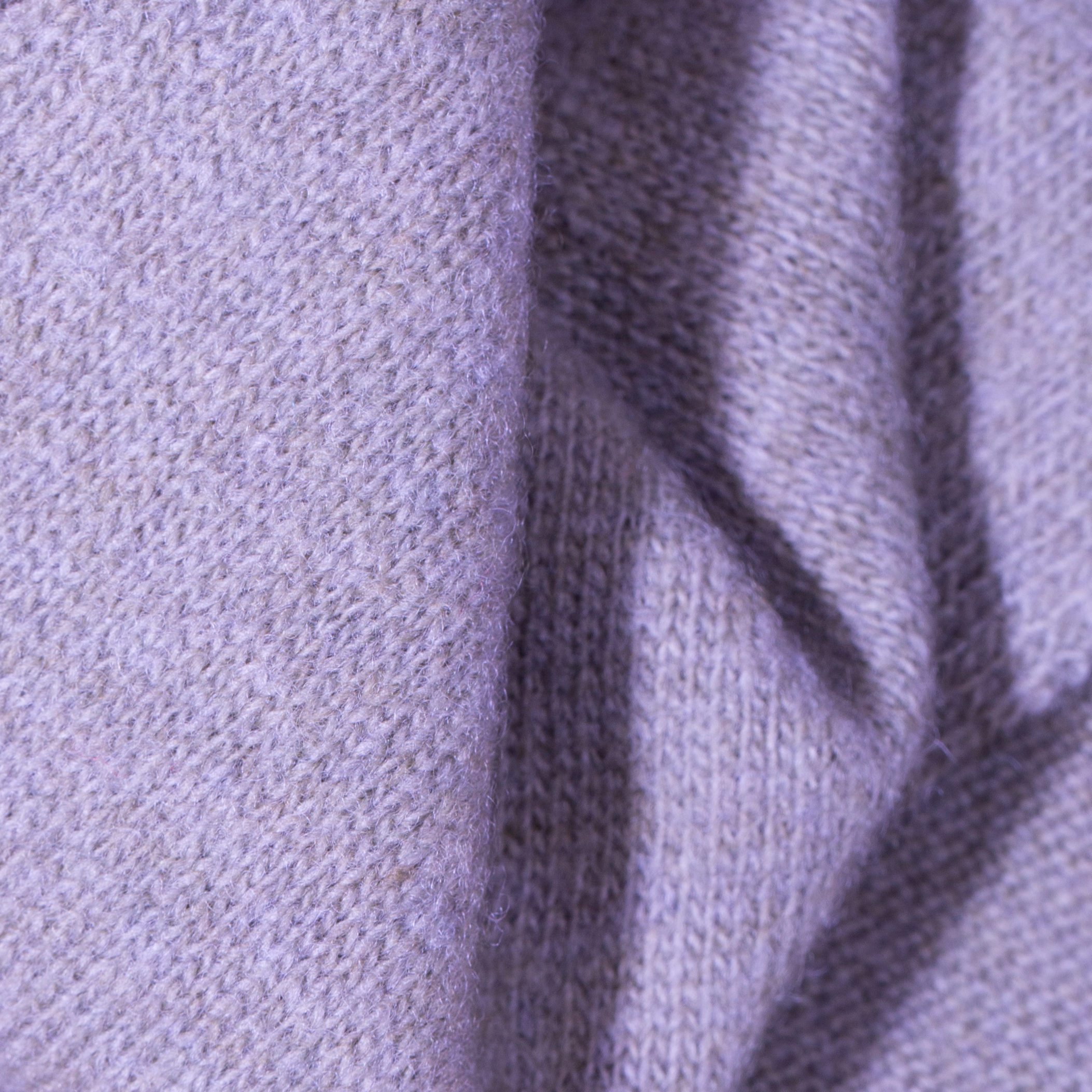
Wool fibre most often comes from sheep’s fleece, but it can also be made from the hair of goats, rabbits or alpacas, for example. When wool comes from a source other than sheep, its name changes: for example, we refer to cashmere when talking about fibre from the cashmere goat.
Conventional wool has a significant environmental impact. Today, nearly 20% of greenhouse gases come from livestock farming, which is more than the gases produced by transport, for example. It also causes soil degradation and water pollution. Pesticides and insecticides are used by conventional wool producers, causing soil erosion, flooding and potentially harmful effects on humans. These products are obviously banned in certified organic farms.
Finally, more and more environmental organisations are highlighting the mistreatment of sheep on conventional farms. The practice of mulesing has been particularly criticised. It is prohibited by organic labels, as well as by the RWS (Responsible Wool Standard) label.
Other materials that may be of interest
See all materials




Need more information ?
The Inovacomm team is here to help. We will get back to you as soon as possible.
Contact us