

Dan Dvoracek
Omnipresent in the fashion and accessories industry, cotton alone accounts for 60-70% of global textile production. This prominent position is not without consequences for the planet and the workers involved in its production. As a supplier of cotton items to some of our customers, we have sifted through the wealth of information available on conventional cotton and its organic and recycled counterparts.
Episode 1
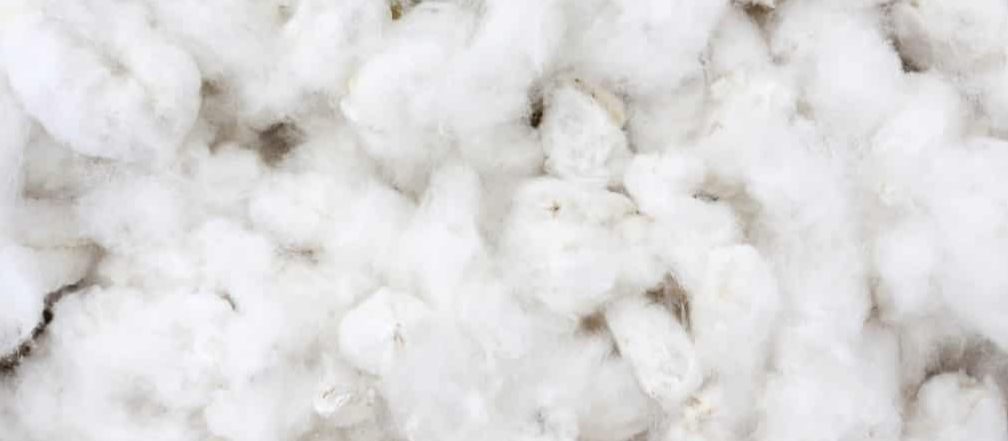
Conventional or “virgin” cotton
This is intensively farmed cotton, with China and India being the main producing countries. The cotton plant is extremely water-intensive: producing one kilogram of cotton requires between 7,000 and 29,000 liters of water! Taking the example of a standard 200g tote bag, this represents an average of 3,600 liters and 5.2 kg of CO2 emissions. Not to mention that traditional cotton is one of the crops that uses the most pesticides. Plantations consume more than 20% of agro-insecticides, even though they only represent about 3% of cultivated land. 1, 3.
Furthermore, the entire cotton production chain is a powerful source of CO2 emissions and has significant ecological and societal side effects: exposure to chemical additives for farmers and populations living near plantations, abusive working conditions and insufficient pay, water pollution, soil and natural resource depletion, harmful impacts on local flora and fauna, etc.
There are more than 700 labels for the textile industry alone! It’s enough to make your head spin and easily be fooled by certifications/initiatives that are really just greenwashing.
For cotton, we ask our suppliers to be Oeko-Tex Standard 100 certified, as this is the basis for us to guarantee the health and ecological qualities of the material (free of products that are toxic to the body and the environment). For an item to be certified Oeko-Tex Standard 100, each of its components (from the raw fabric to the thread used for sewing, labels, buttons, and even the dyes and finishes applied) must have been tested and approved in accordance with the Standard 100 testing requirements. This also means that the supplier is subject to regular audits to verify compliance. 2.
Inovacomm uses Oeko-Tex Standard 100 as a benchmark because it is a globally standardized certification system for all raw, semi-finished, and finished textile products at all stages of processing, as well as for all accessory materials. Based on its comprehensive and strict catalog of measures, the test criteria and limit values go well beyond the applicable national and international standards. Thanks to this concept, Standard 100 by Oeko-Tex is a benchmark certification in the textile industry.
Sources:
1) www.textileexchange.org
2) www.oeko-tex.com
3) www.who.int
Photo: iStock ©